

Clothing is more than something we wear every day. It can also be a simple way to show a brand, support a team, promote a business, or share a personal style. A plain shirt, jacket, cap, or bag can look completely different after a small branding detail is added. The good news is that businesses do not need complicated designs or expensive materials to make apparel look interesting. A small logo, a simple name, or a well-placed design can turn an ordinary item into something people remember. This is why clothing decoration has become popular for businesses, schools, clubs, sports groups, events, and even small online stores. The trick is to choose a decoration method that fits the item and the message you want to share. When the design, placement, and colors work together, branded clothing can look neat, professional, and enjoyable to wear.
Why Branding on Clothing Matters
Think about a person walking down the street wearing a shirt with a company logo. Every person who sees that shirt gets a small reminder of the brand. There is no television commercial, online advertisement, or sales call involved. The clothing itself is carrying the message. This makes branded apparel a useful marketing tool because it can travel wherever the wearer goes. A good design can be seen at a store, office, event, sports game, school, or even while someone is shopping for groceries. Of course, people will only want to wear branded clothing if it looks good and feels comfortable. That is why the design should not feel like a large advertisement forced onto the fabric. A simple and attractive design often has a better chance of being worn again and again.
Start With a Simple Brand Design
Before choosing a decoration method, it helps to look at the brand itself. What does the logo look like? What colors are used? Is the business modern, playful, traditional, sporty, or elegant? These questions can guide the design. A complicated logo may not look good when it is made very small. On the other hand, a simple logo can often work well on shirts, jackets, caps, and bags. If the brand has a short name, that name can sometimes be used instead of the full logo. The goal is to make the branding easy to recognize. People should not have to study the clothing for several seconds before understanding what they are looking at. A clear design with good spacing usually looks more professional than a crowded one.
Add Embroidered Designs
Embroidery is one of the most popular ways to add branding to clothing. It uses thread to create a raised design on the surface of the fabric. This gives the finished item a neat and lasting appearance. Embroidered designs are especially useful for shirts, jackets, uniforms, hats, and workwear. They can give simple clothing a more professional look without making the design feel too flashy.
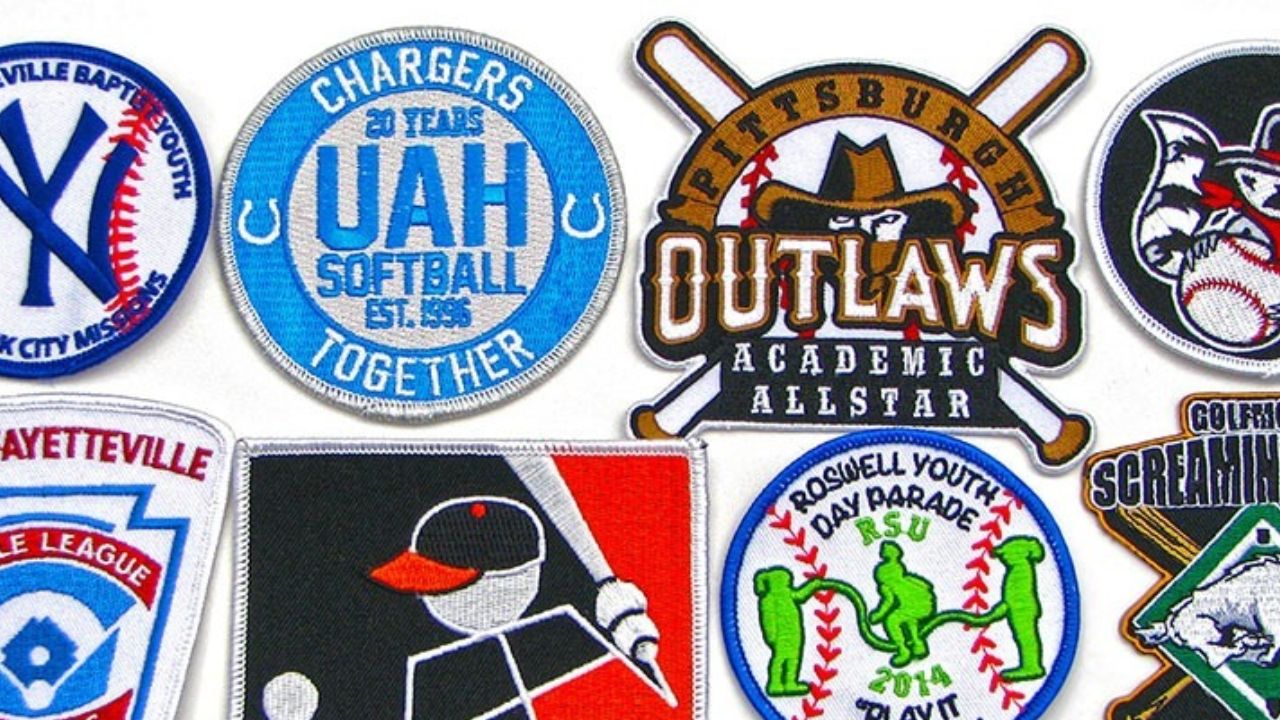
Another benefit is the texture. The thread adds a small raised effect that can make a logo stand out. You can choose different thread colors to match the brand while keeping the overall design clean. For a stronger, more creative look, you can also add custom embroidered patches with logos to jackets, bags, caps, uniforms, and other apparel, giving branded clothing a traditional, durable appearance while adding texture. Patches are useful when you want a design that can be placed in different areas or used on different items.
Choosing the Right Placement
Where the branding goes can be just as important as the design itself. A logo placed on the chest can look professional and simple. A larger design on the back can be easier to notice from a distance. A small patch on a sleeve can create a more subtle appearance. There is no single placement that works for every garment. The type of clothing and the purpose of the branding should be considered first.
For uniforms, businesses may want the logo to be easy to identify. For promotional clothing, a larger design may make more sense. For fashion pieces, a smaller detail may look better. Before production, it can help to place a digital version of the design over a picture of the garment. This gives you an idea of how the finished item might look and can help prevent placement mistakes.
Use Colors That Work Together
Color can change the entire appearance of branded clothing. Strong contrast can make a logo easy to see, while similar colors may create a softer and more subtle effect. A company should usually start with its existing brand colors. This helps keep clothing connected to other marketing materials such as business cards, websites, packaging, and advertisements.
However, brand colors do not always need to be used exactly as they appear on a screen. Different fabrics and decoration methods can affect how colors look. It is a good idea to review a physical sample when color accuracy is important. The best choice is usually one that keeps the logo visible without making the clothing look too busy.
Printed Designs for Bigger Artwork
Printing is another common way to decorate apparel. It can work especially well when the design contains larger artwork, several colors, photographs, or detailed graphics. A printed design can cover a large part of a shirt or jacket and can be used to create eye-catching promotional clothing. Businesses sometimes use printed shirts for events, product launches, charity activities, or team outings.
The printing method should match the garment and the expected use. Some clothing is washed frequently, so the print needs to be suitable for regular wear and care. A design that looks good when new but quickly cracks or fades may leave a poor impression. Testing a sample before ordering a large quantity is a simple way to check how the design looks and performs.
Try Heat-Transfer Designs
Heat-transfer decoration uses heat and pressure to apply a design to fabric. It can be useful for names, numbers, logos, and smaller production runs. This option is often helpful when a business needs different names or numbers on each item. For example, a sports team might need the same logo on every shirt but a different player number for each person.
Heat-transfer designs can also be useful for short-term events or promotional projects. The important thing is to choose a suitable material and follow the recommended application and care instructions. As with other decoration methods, the garment itself should be considered before making a decision. Fabric type, texture, color, and intended use can all affect the final result.
Branding Caps and Hats
Clothing branding does not have to stop at shirts and jackets. Caps and hats provide another useful surface for logos and names. A small logo on the front of a cap can be easy to recognize without looking too aggressive. Embroidery is commonly used because it works naturally with the shape of many caps. Hats can be particularly useful for staff uniforms, sports teams, outdoor businesses, restaurants, and promotional campaigns. When employees wear matching branded caps, customers may find it easier to identify them. A simple design usually works best because the available space on a cap is limited.
Do Not Forget Bags and Accessories
Bags can also carry branding. Tote bags, backpacks, travel bags, and fabric pouches can all provide useful space for a logo or design. This can extend the life of a branding campaign. A shirt may be worn for a few hours, but a reusable bag can be carried for months or even years. Every time someone uses it in public, the brand may be seen by new people. Accessories such as scarves, aprons, and fabric cases can also be decorated. The best choice depends on the business and how customers will use the item.
Keep the Design Comfortable
Good branding should not make clothing uncomfortable. Large decorations, rough materials, or poorly positioned designs can become annoying when a person wears the garment. Comfort matters because uncomfortable clothing is less likely to be worn again. If the goal is marketing, that is a problem. The best branded clothing is something people actually enjoy wearing. Think about where the design will touch the body. Also consider whether the garment needs to bend, stretch, or move frequently. These small details can influence the best decoration method.
Create Different Styles for Different Purposes
A business does not need to use one design on every piece of apparel. Different clothing items can have different levels of branding. For example, a staff polo shirt might have a small logo on the chest, while an event T-shirt might have a larger design on the front and back. A jacket might use a patch on the sleeve. The key is to keep some visual connection between the different items. Similar colors, logos, fonts, or design elements can make the collection feel like one brand. This approach also gives customers and employees more choices while keeping the overall branding recognizable.
Check the Finished Product Before a Large Order
One of the easiest ways to avoid disappointment is to check a sample before ordering in bulk. A design can look perfect on a computer but different on actual fabric. Look at the size and position of the design. Check whether the colors look right. Feel the decorated area and see whether it is comfortable. If possible, wash the sample according to the expected care instructions and check how it looks afterward. A little testing can save a lot of trouble. If something needs to change, it is much easier to fix one sample than hundreds of finished garments.
Branding Can Be Simple and Memorable
The strongest apparel branding is not always the most complicated. A simple logo in the right place can be more memorable than a large design filled with too many details. People need to be able to see and understand the message quickly. This is especially true when branded clothing is being worn in public, where viewers may only see it for a few seconds. Simple designs also tend to work across more types of clothing. A clean logo can look good on a shirt, jacket, cap, or bag without needing major changes. That flexibility can make branding easier for businesses that want to use the same identity across different products.
Conclusion
Decorating clothing with branding can be simple when you start with the right design and choose a decoration method that suits the fabric and purpose. From embroidery and printing to labels, woven details, and heat-transfer designs, there are many options for businesses, organizations, teams, and individuals. The right choice depends on the garment, design, budget, intended use, and the appearance you want to create; personalized elements all offer different ways to make apparel stand out.
A design doesn’t have to be fancy to work well. Begin with a simple brand idea and colors that match. Consider where to put your decoration and make sure it feels good to wear and lasts a long time. Paying attention to comfort, color, and placement means even basic clothes can show off your brand. When these small details are handled properly, ordinary clothing can become a useful part of a brand’s identity. If you’re not sure what to do or how to do it, working with experienced Custom Patch Manufacturers can help turn a simple logo or idea into an attractive patch that gives apparel a distinctive, memorable finish.