
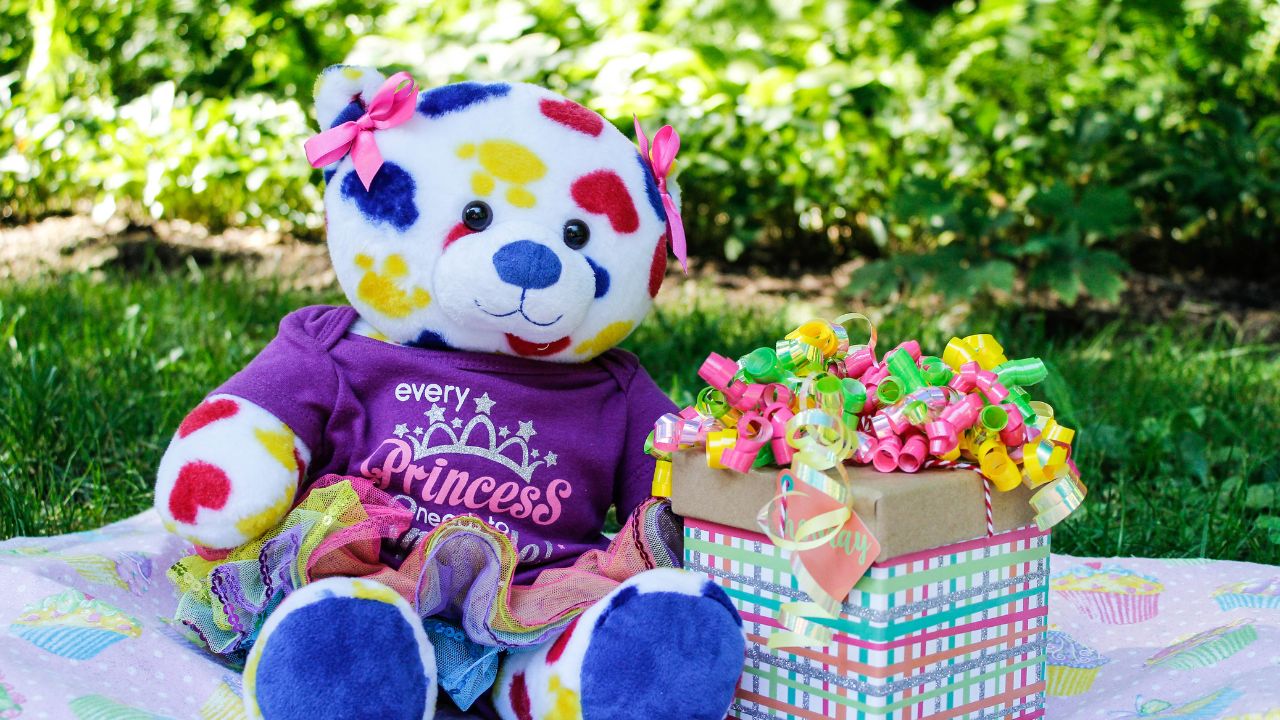

Walk through the toy aisle of any retail store, and one thing becomes immediately clear – packaging is competing for attention long before the toys themselves. Bright colors, engaging graphics, and interactive designs all influence which product a child notices first and which one a parent ultimately chooses to purchase. In today’s competitive market, toy packaging boxes have become much more than protective containers; they are powerful marketing tools that shape purchasing decisions and strengthen brand identity.
As the toy industry continues to evolve, brands are investing in packaging that combines creativity with functionality. Modern consumers expect packaging to be visually appealing, durable, and environmentally responsible while reflecting the excitement of the product inside. Businesses that embrace these trends can create memorable first impressions and build stronger connections with their customers.
Why Toy Packaging Boxes Influence Buying Decisions
Unlike many other retail products, toys are often purchased based on emotional appeal. Children are naturally drawn to colorful displays and exciting visuals, while parents look for signs of quality, safety, and value. Packaging must successfully communicate all of these elements within seconds.
A well-designed toy box creates curiosity and encourages customers to pick up the product for a closer look. Once the packaging captures attention, it has the opportunity to tell the story of the toy through illustrations, branding, and product information.
The stronger the first impression, the greater the chance of converting interest into a purchase.
Packaging Is the Product’s First Advertisement
Before a toy is touched or demonstrated, its packaging does the selling. It introduces the brand, highlights key features, and sets expectations about the experience inside.
Whether displayed in a retail store or viewed in an online product listing, attractive toy packaging boxes help products stand out among competing brands while creating a sense of excitement that encourages customer engagement.
Design Trends Shaping Modern Toy Packaging
Consumer preferences continue to evolve, and packaging trends are changing alongside them. Today’s toy brands are focusing on designs that are visually engaging while remaining practical and sustainable.
Bold Colors and Eye-Catching Graphics
Bright color combinations remain one of the most effective ways to attract younger audiences. Dynamic illustrations, playful typography, and engaging character artwork immediately communicate fun and creativity.
Rather than overwhelming the design, successful packaging uses bold visuals strategically to guide attention toward the product and key selling points.
Interactive Packaging Experiences
Packaging is becoming more than a box—it is part of the play experience. Some brands incorporate puzzles, collectible artwork, QR codes, or creative opening mechanisms that encourage children to interact with the packaging itself.
These features make the unboxing experience more enjoyable while increasing the perceived value of the product.
Balancing Creativity with Functionality
Attractive packaging should never compromise usability. Parents appreciate packaging that protects the toy while remaining easy to open and store.
Strong materials help prevent damage during transportation, while well-designed inserts keep individual components secure inside the box. Clear product windows can also allow customers to view the toy before purchase without opening the packaging.
Safety and Durability Remain Priorities
Children’s products require packaging that can withstand handling throughout shipping, retail display, and purchase. Durable construction reduces the risk of damaged products while maintaining an attractive appearance on store shelves.
High-quality packaging also reflects positively on the brand, reinforcing customer confidence in both the product and the company behind it.
Sustainability Is Becoming a Competitive Advantage
Parents are becoming increasingly aware of environmental issues, influencing the purchasing decisions they make for their families. Many toy companies are responding by adopting recyclable materials, responsibly sourced paperboard, and environmentally friendly printing methods.
These sustainable practices reduce environmental impact while demonstrating that brands are committed to responsible manufacturing.
Businesses that integrate eco-friendly materials into packaging boxes can strengthen their reputation among environmentally conscious consumers without sacrificing visual appeal.
Packaging That Builds Brand Recognition
Consistent packaging helps toy brands become instantly recognizable across different product ranges. The repeated use of logos, colors, typography, and character artwork creates familiarity that encourages customer trust.
Children often remember packaging as much as they remember the toy itself, making consistent branding an important part of long-term business growth.
As product lines expand, recognizable packaging helps customers quickly identify the brand on crowded retail shelves.
Looking Ahead: The Future of Toy Packaging
Technology and consumer expectations continue to shape the future of packaging design. Interactive digital experiences, personalized packaging, augmented reality features, and smart labeling are becoming increasingly common in the toy industry.
At the same time, businesses continue focusing on durable construction, sustainable materials, and creative storytelling through packaging. Brands that successfully combine innovation with practical design will remain competitive as the retail landscape evolves.
Packaging will continue to play a vital role in creating excitement before the toy is even removed from the box.
Conclusion
In today’s competitive toy market, packaging is one of the most influential factors driving customer attention and purchasing decisions. Toy packaging boxes combine creativity, protection, and branding to create memorable experiences that appeal to both children and parents.
As design trends continue to evolve, businesses that invest in high-quality toy packaging boxes will be better positioned to capture attention, strengthen brand recognition, and deliver products that stand out in retail environments. Great packaging does more than protect a toy—it creates anticipation, builds trust, and becomes an important part of the overall customer experience.