
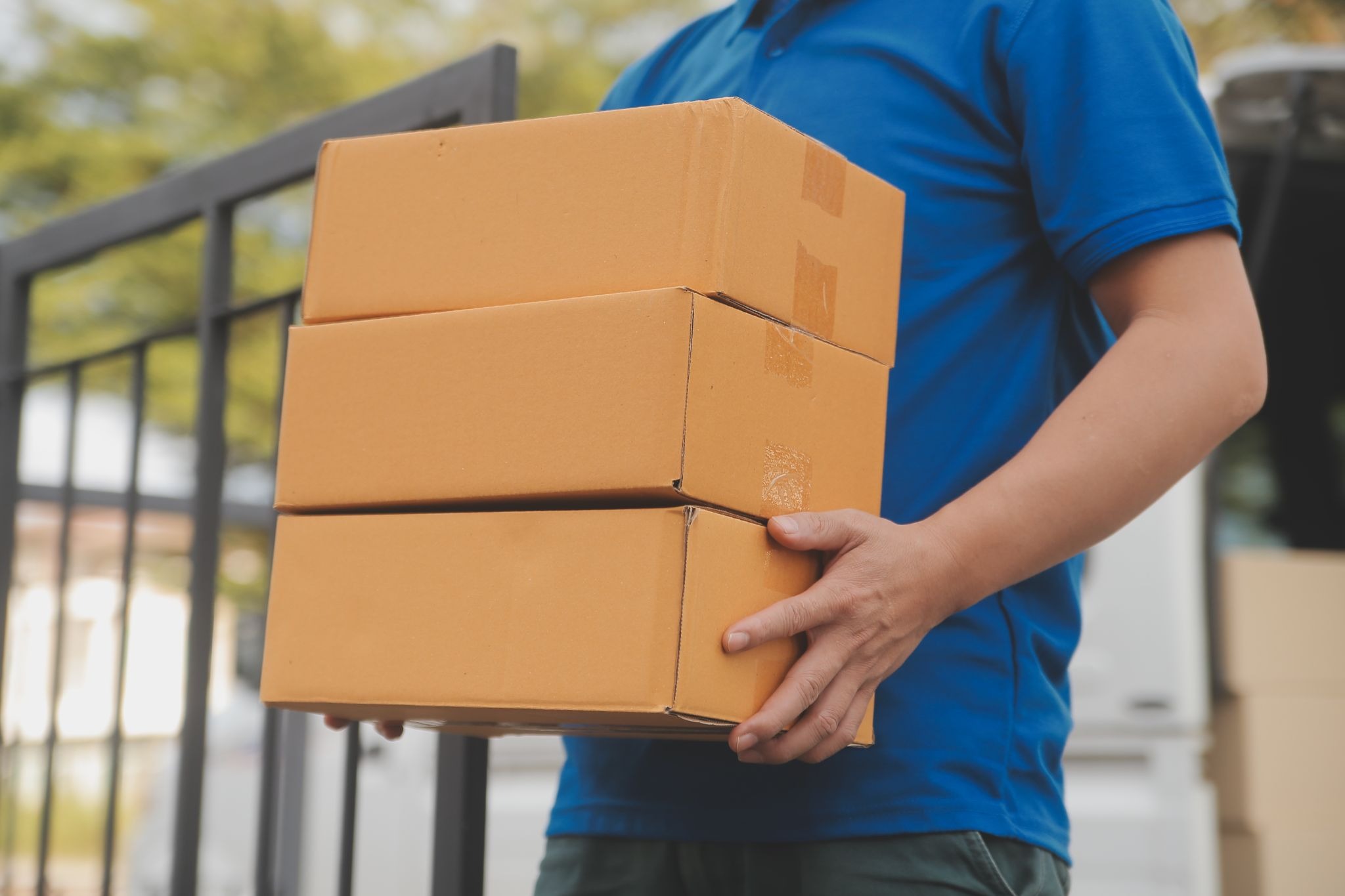

For an online seller, fulfilling a Polish customer’s order means connecting the purchase record with a correctly prepared parcel. When planning shipping from the US to Poland, confirm the contents and delivery arrangements before promising an arrival date. Keep each order traceable from the packing table to the recipient’s address.
Match the Order to the Shipment
Use the confirmed order as your packing reference. Before preparing the parcel, review these details:
- ordered items — match product names, sizes, colors, and quantities against the purchase record to avoid sending the wrong version;
- recipient details — obtain the full delivery address, apartment number, postal code, and phone number for this specific order;
- shipping eligibility — check products against carrier restrictions and ask about anything whose materials or batteries need clarification;
- parcel contents — identify accessories and promotional extras so the declared contents reflect everything actually packed;
- order reference — assign the shipment to one order number and use it on your internal packing record.
Tell the shipping team that you are sending goods sold to a customer. Request the appropriate commercial service rather than assuming personal parcel arrangements apply to the order.
Prepare the Parcel and Its Paperwork
For a mixed order, separate hard accessories from softer goods and protect delicate surfaces individually. Use a rigid outer carton and fill gaps to prevent movement. Seal the seams with strong packing tape.
A packing slip with the order number, item quantities, and a customer support contact gives the buyer a convenient way to check the parcel’s contents without searching through confirmation emails.
The final parcel weight and dimensions should be recorded after packing, rather than using product measurements from the store listing. A photograph of the packed contents can also be saved with the order record before the shipping label is attached.
For customs paperwork, plain descriptions such as “two cotton shirts” are more appropriate than promotional product names. The shipping team can also confirm which invoice and supporting documents are required for the commercial order.
Set Expectations Through Delivery
Separate your own order preparation time from the carrier’s transit estimate. Ask when that estimate begins and allow for customs processing before sharing a delivery window with the buyer.
Before marking the order as dispatched, arrange the agreed pickup or drop-off and retain proof of handover. Creating a label alone should not trigger a message telling the buyer their parcel is already traveling.
Splitting one order into two parcels? Tell the buyer which items are in each box and pair every tracking reference with its contents. Keep any unsent items marked as pending until they have been handed over.
Assign one team member to handle delivery questions and keep shipment records accessible. When requesting an update, provide the parcel number, latest recorded status, and a specific question so the shipping team can investigate.
If the buyer reports damage, request clear photographs of the product and its packaging before contacting the shipping team. Check the claim procedure promptly, including who must submit the request and which supporting documents need to accompany it.
Polonez offers delivery to addresses in Poland, online tracking, and assistance with customs documentation. Its team handles commercial requests individually, helping sellers clarify the arrangements for their customer orders. Keep the agreed service details available to staff who pack parcels or answer delivery questions.